Beyond the PHP Crisis: Why Virtual Patching is the New Security Imperative
The recent disclosure of the critical PHP2Shell vulnerabilities (CVSS 9.2) has highlighted a structural flaw in modern cybersecurity: the "patch-to-exploit" window has collapsed. With frontier AI now accelerating both vulnerability discovery and exploit weaponization, Canadian organizations are facing a reality where traditional manual patching cycles can no longer keep pace.
PHP2Shell is not just another high-severity event; it is a proof point of the new frontier AI risk. For most organizations, the challenge isn't just the vulnerability itself — it's the weeks spent identifying, testing and deploying patches across a massive, often hidden, web footprint. Join our Canadian leadership team for an informative briefing on why virtual patching has moved from an emergency measure to a foundational architectural requirement. We will discuss how to stay ahead of the "vulnerability deluge" by shielding your environment at machine speed, ensuring your organization is protected even before a vendor patch is released.
What You Will Learn:
This guide outlines how transportation leaders can transition off fragmented legacy security and implement a single, best-of-breed platform:
The Frontier AI Exposure Gap: Analyzing how AI-driven discovery has fundamentally broken the traditional patching model.
PHP2Shell as a Case Study: Why this specific exploit proved that "knowing the threat" isn't enough without immediate shielding.
The Power of Virtual Patching: How to deliver preemptive, network-layer protection without downtime or software restarts.
Building a Resilient Architecture: Moving from reactive fire drills to a continuous, automated defense posture.
FEATURED SPEAKERS
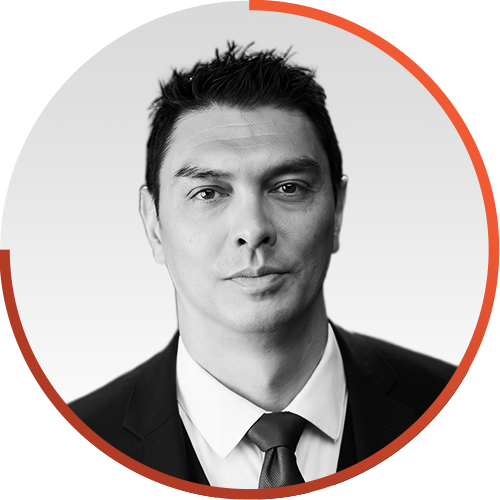
Bryson Tan
Managing Director
Head of Unit 42 Canada
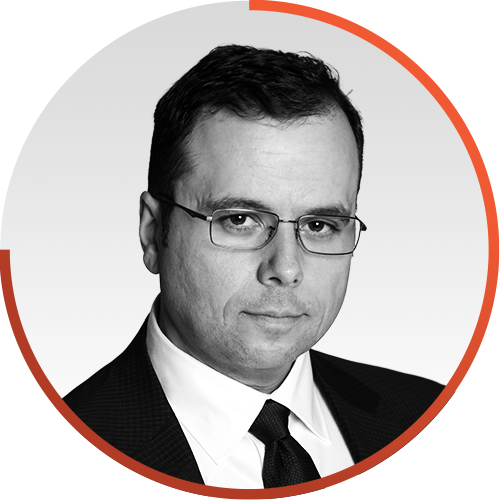
Victor Tavares
Sr. Director,
Solutions Consulting